Best Bread Storage Methods Compared
We tested every popular bread storage method to answer one question: which one keeps your homemade bread fresh the longest?
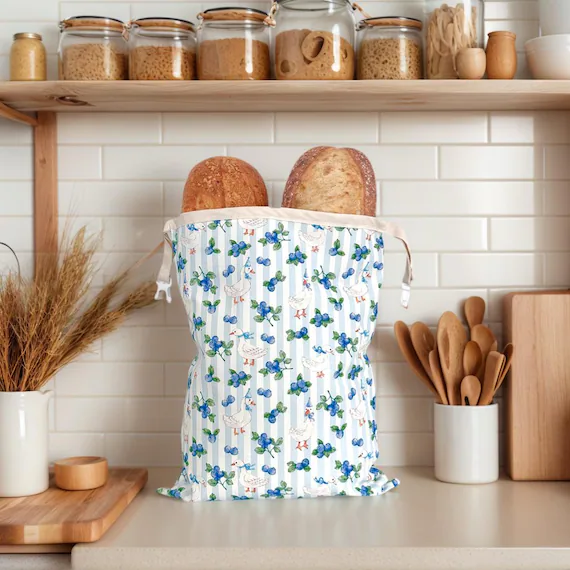
There's nothing worse than baking the perfect loaf of bread only to have it turn into a hockey puck the next day. With so many storage methods out there—from traditional bread boxes to modern containers—which one actually works best?
We put six popular bread storage methods to the test over a full week. Here's what we found.
How We Tested
We baked six identical sourdough loaves and stored each using a different method. Every day for a week, we evaluated:
- Crust texture (crispy vs. soggy)
- Interior moisture
- Overall freshness
- Mold development
- Ease of use
The Contenders
🥇 #1: Beeswax Bread Bag
WinnerFreshness Duration: 5-7 days
Pros:
- ✓ Perfect moisture balance—crust stayed crispy
- ✓ Interior remained soft and fresh
- ✓ Natural antimicrobial properties prevented mold
- ✓ Reusable and eco-friendly
- ✓ No condensation issues
Cons:
- • Higher upfront cost than disposable options
- • Requires proper care and maintenance
Best for: Anyone serious about bread freshness and reducing plastic waste
🥈 #2: Linen Bread Bag
Freshness Duration: 4-5 days
Pros:
- ✓ Good air circulation
- ✓ Crust maintained decent texture
- ✓ Reusable and washable
- ✓ Natural material
Cons:
- • Bread dried out slightly faster than beeswax
- • Less moisture retention
- • Can absorb odors over time
Best for: Short-term storage (2-4 days) with good breathability
🥉 #3: Bread Box
Freshness Duration: 3-4 days
Pros:
- ✓ Consistent temperature and darkness
- ✓ Can store multiple loaves
- ✓ Attractive countertop storage
- ✓ No wrapping needed
Cons:
- • Crust lost crispiness by day 2
- • Interior dried out faster than bag methods
- • Takes up counter space
- • Requires regular cleaning
Best for: Daily bread consumption with multiple loaves
#4: Paper Bag
Freshness Duration: 1-2 days
Pros:
- ✓ Inexpensive and readily available
- ✓ Good air circulation
- ✓ Crust stayed relatively crispy
Cons:
- • Bread dried out very quickly
- • Interior became hard by day 3
- • Single-use waste
- • No moisture retention
Best for: Same-day or next-day consumption only
⚠️ #5: Plastic Bag
Freshness Duration: 2-3 days (but poor quality)
Pros:
- ✓ Widely available
- ✓ Prevents complete drying
Cons:
- ✗ Crust became completely soggy within hours
- ✗ Condensation trapped inside
- ✗ Promoted mold growth (visible by day 4)
- ✗ Interior texture suffered
- ✗ Single-use plastic waste
Best for: Nothing—we don't recommend this method
#6: Airtight Container
Freshness Duration: 2-3 days
Pros:
- ✓ Protects from external odors
- ✓ Stackable storage
- ✓ Keeps pests out
Cons:
- • No air circulation
- • Crust became soft quickly
- • Condensation issues
- • Interior can become gummy
Best for: Store-bought sliced bread, but not artisan loaves
The Results: Side-by-Side Comparison
| Method | Freshness | Crust Quality | Eco-Friendly | Value |
|---|---|---|---|---|
| Beeswax Bag | ⭐⭐⭐⭐⭐ | ⭐⭐⭐⭐⭐ | ⭐⭐⭐⭐⭐ | ⭐⭐⭐⭐⭐ |
| Linen Bag | ⭐⭐⭐⭐ | ⭐⭐⭐⭐ | ⭐⭐⭐⭐ | ⭐⭐⭐⭐ |
| Bread Box | ⭐⭐⭐ | ⭐⭐⭐ | ⭐⭐⭐ | ⭐⭐⭐ |
| Paper Bag | ⭐⭐ | ⭐⭐⭐ | ⭐⭐ | ⭐⭐ |
| Plastic Bag | ⭐ | ⭐ | ⭐ | ⭐ |
| Airtight Container | ⭐⭐ | ⭐⭐ | ⭐⭐⭐ | ⭐⭐⭐ |
Why Beeswax Won
The beeswax bread bag outperformed every other method for three key reasons:
- 1. Perfect Breathability: Unlike plastic that traps all moisture or paper that releases it too quickly, beeswax allows controlled air exchange. This keeps the crust crispy while maintaining interior moisture.
- 2. Natural Preservation: Beeswax has mild antimicrobial properties that help prevent mold growth without chemicals or additives.
- 3. Consistent Performance: While other methods degraded quickly (soggy crust, dried interior), the beeswax bag maintained quality throughout the full week.
Our Recommendation
If you bake bread regularly, investing in a quality beeswax bread bag pays for itself quickly. Not only does it keep bread fresh significantly longer than alternatives, but it's also reusable, eliminating the need for single-use plastic or paper bags.
For occasional bakers, a linen bag or bread box works well for shorter-term storage. Just be prepared to consume your bread within 2-4 days.
"After testing all these methods, I've permanently switched to beeswax bags. My sourdough stays fresh until the last slice, and I haven't bought plastic bags in months."
Quick Decision Guide
Choose beeswax bread bags if:
- ✓ You bake bread regularly (weekly or more)
- ✓ You want the longest freshness (5-7 days)
- ✓ You're committed to reducing plastic waste
- ✓ You want the best crust texture
Choose linen bags if:
- ✓ You consume bread within 3-4 days
- ✓ You prefer natural materials
- ✓ You want good breathability at lower cost
Choose a bread box if:
- ✓ You store multiple types of bread
- ✓ You have counter space available
- ✓ You consume bread within 2-3 days
The Bottom Line
When it comes to keeping homemade bread fresh, beeswax bread bags are the clear winner. They combine the best aspects of traditional storage methods while eliminating the drawbacks of plastic bags and excessive drying.
Whether you're a sourdough enthusiast or occasional baker, the right storage method can make the difference between enjoying fresh bread all week and watching it go stale in days.
Ready to Try the Winner?
Experience the difference a beeswax bread bag makes. Your homemade bread deserves the best storage.