How to Care for Your Beeswax Bread Bags
With proper care, your beeswax bread bag will keep your bread fresh for years to come. Here's everything you need to know.
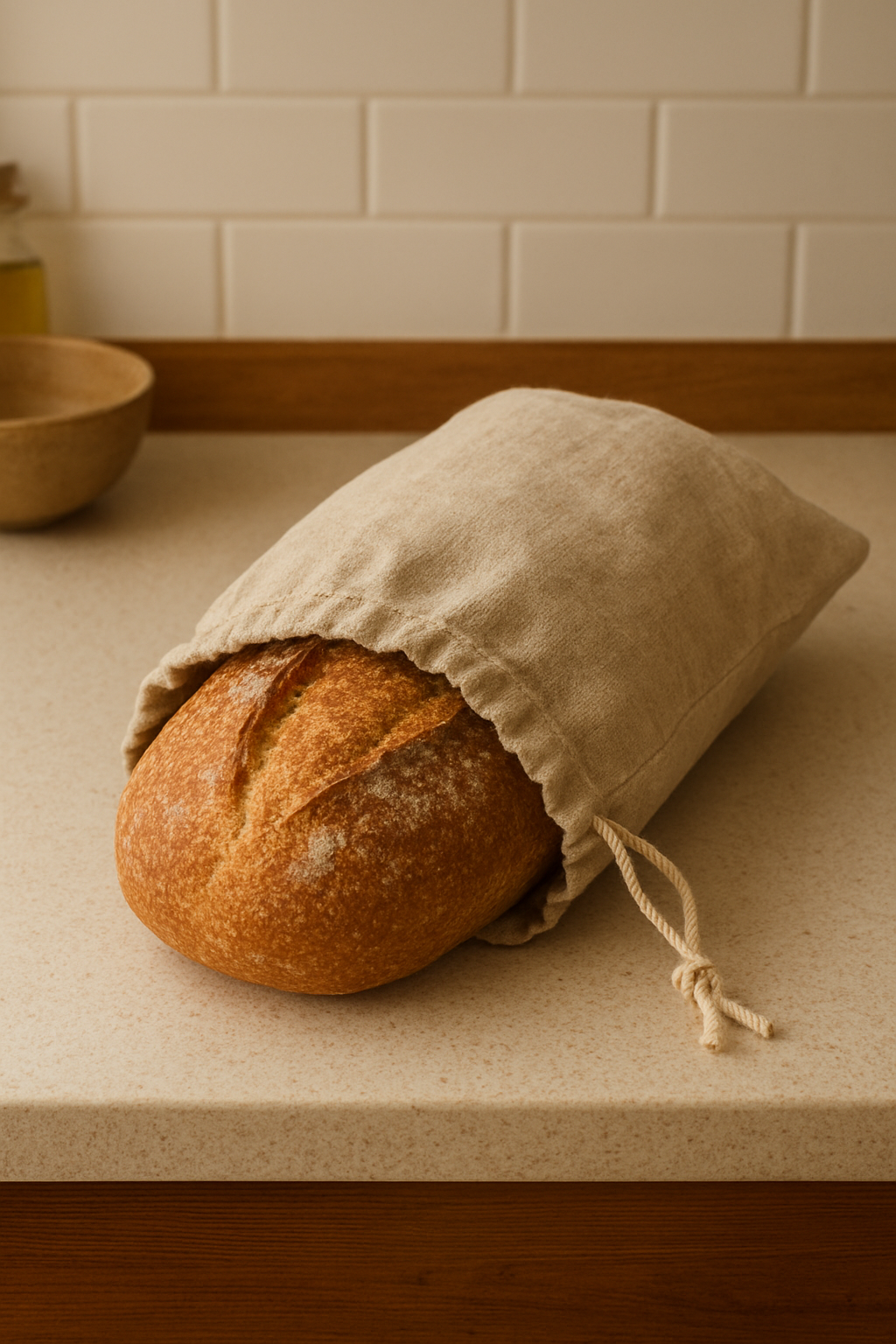
You've invested in a quality beeswax bread bag—a sustainable alternative to plastic that keeps your bread fresh longer. With the right care, this bag will serve you faithfully for years, replacing hundreds of single-use bags. Here's how to make it last.
Daily Care: After Each Use
The Quick Clean Method
- 1. Shake out crumbs over the sink or compost bin
- 2. Wipe inside with a damp cloth using cool or room temperature water
- 3. Air dry completely before storing or refilling
Time required: 30 seconds
For most daily use, this simple routine is all you need. The natural antimicrobial properties of beeswax help keep the bag fresh between deeper cleans.
Deep Cleaning: Weekly or As Needed
When your bag needs more than a quick wipe, here's the proper washing method:
Step-by-Step Deep Clean
What You'll Need:
- • Cool or lukewarm water (never hot!)
- • Mild, unscented dish soap
- • Soft cloth or sponge
- • Dish rack or clothesline
Instructions:
- 1. Fill sink with cool water
Add a small amount of mild dish soap. Avoid hot water—it can melt the beeswax coating.
- 2. Gently wash
Use a soft cloth to wipe both sides of the bag. No scrubbing or harsh brushes—gentle is key.
- 3. Rinse thoroughly
Use cool water to remove all soap residue.
- 4. Air dry
Hang over a dish rack or clothesline. Allow to dry completely (both sides) before storing.
What NOT to Do
Avoid These Common Mistakes:
- ✗Hot water or dishwasher
Heat melts the beeswax coating, ruining the bag's properties
- ✗Washing machine or dryer
Agitation and heat damage both the fabric and beeswax
- ✗Harsh soaps or bleach
Strong chemicals degrade the beeswax and can leave residue
- ✗Storing while damp
Can promote mold growth or weaken the beeswax coating
- ✗Scrubbing aggressively
Can wear away the beeswax coating prematurely
Proper Storage
When not in use, store your beeswax bread bag properly to maintain its shape and coating:
Storage Best Practices:
- Keep it dry
Always ensure the bag is completely dry before storing to prevent mold
- Store flat or loosely folded
Avoid tight creases that can crack the beeswax coating over time
- Cool, dry location
A drawer or pantry shelf works perfectly—avoid direct sunlight or heat
- Keep away from strong odors
Beeswax can absorb smells, so store away from onions, garlic, or cleaning products
Extending the Life of Your Bag
Let Bread Cool First
Always let freshly baked bread cool completely before storing in your beeswax bag. Warm bread creates condensation, which can:
- • Make the crust soggy
- • Weaken the beeswax coating
- • Promote mold growth
- • Reduce the bag's lifespan
Rotate Multiple Bags
If you bake frequently, consider having 2-3 bags. Rotating them gives each bag time to fully air out between uses, extending their collective lifespan.
Handle Gently
While beeswax bags are durable, gentle handling preserves the coating. Avoid:
- • Rough handling or twisting
- • Sharp objects that could puncture the fabric
- • Overstuffing with bread
When to Refresh the Coating
Over time (typically 1-2 years with regular use), the beeswax coating may thin in high-wear areas. Signs your bag needs refreshing:
- • Fabric appears less waxy in spots
- • Water no longer beads on the surface
- • Bread dries out faster than usual
DIY Rewaxing (Optional)
While many people simply replace their bags after 2-3 years, you can refresh the coating:
- 1. Grate pure beeswax
- 2. Sprinkle lightly over the bag
- 3. Place between parchment paper
- 4. Iron on low heat to melt and distribute wax
- 5. Let cool and wipe off excess
Note: This works best for simple cotton bags. For bags with specific coatings or linings, contact the manufacturer for guidance.
Troubleshooting Common Issues
Issue: Bag smells like bread from previous uses
Solution: Give it a deep clean with mild soap. Air dry completely in fresh air or sunlight for a few hours.
Issue: Waxy residue on hands
Solution: This is normal, especially with new bags. The coating will settle after a few uses. Wash hands with warm soapy water.
Issue: Bag feels less effective
Solution: Wash thoroughly and ensure you're storing bread completely cooled. If problem persists, coating may need refreshing.
Issue: Creases won't come out
Solution: Let the bag warm slightly in room temperature. The beeswax will soften and creases will relax. Never iron directly.
Expected Lifespan
With proper care, a quality beeswax bread bag typically lasts:
- Daily use: 2-3 years before needing replacement
- Several times per week: 3-4 years
- Occasional use: 5+ years
During its lifetime, one bag replaces approximately 200-500 plastic bags—a significant environmental impact!
Quick Reference Care Guide
✓ DO
- ✓ Use cool or lukewarm water
- ✓ Air dry completely
- ✓ Store flat or loosely folded
- ✓ Let bread cool before storing
- ✓ Wipe clean after each use
- ✓ Use mild, unscented soap
✗ DON'T
- ✗ Use hot water
- ✗ Machine wash or dry
- ✗ Store while damp
- ✗ Use harsh chemicals
- ✗ Scrub aggressively
- ✗ Store in direct sunlight
The Bottom Line
Caring for your beeswax bread bag is simple: keep it clean, let it dry, and treat it gently. These minimal maintenance steps ensure your bag will serve you well for years, keeping your bread fresh while eliminating plastic waste.
The small amount of care required is well worth the benefits—better bread storage, environmental impact, and the satisfaction of using a quality, sustainable product that lasts.
"I've been using the same beeswax bread bag for three years now. A quick wipe after each use and an occasional wash is all it takes. Best kitchen investment I've made."
Get Your Long-Lasting Beeswax Bread Bag
Invest in a quality beeswax bread bag that will serve you well for years to come.