The Art of Handmade Kitchen Accessories
In a world of mass production, handcrafted kitchen accessories offer a return to quality, sustainability, and the human touch that makes cooking a joy.
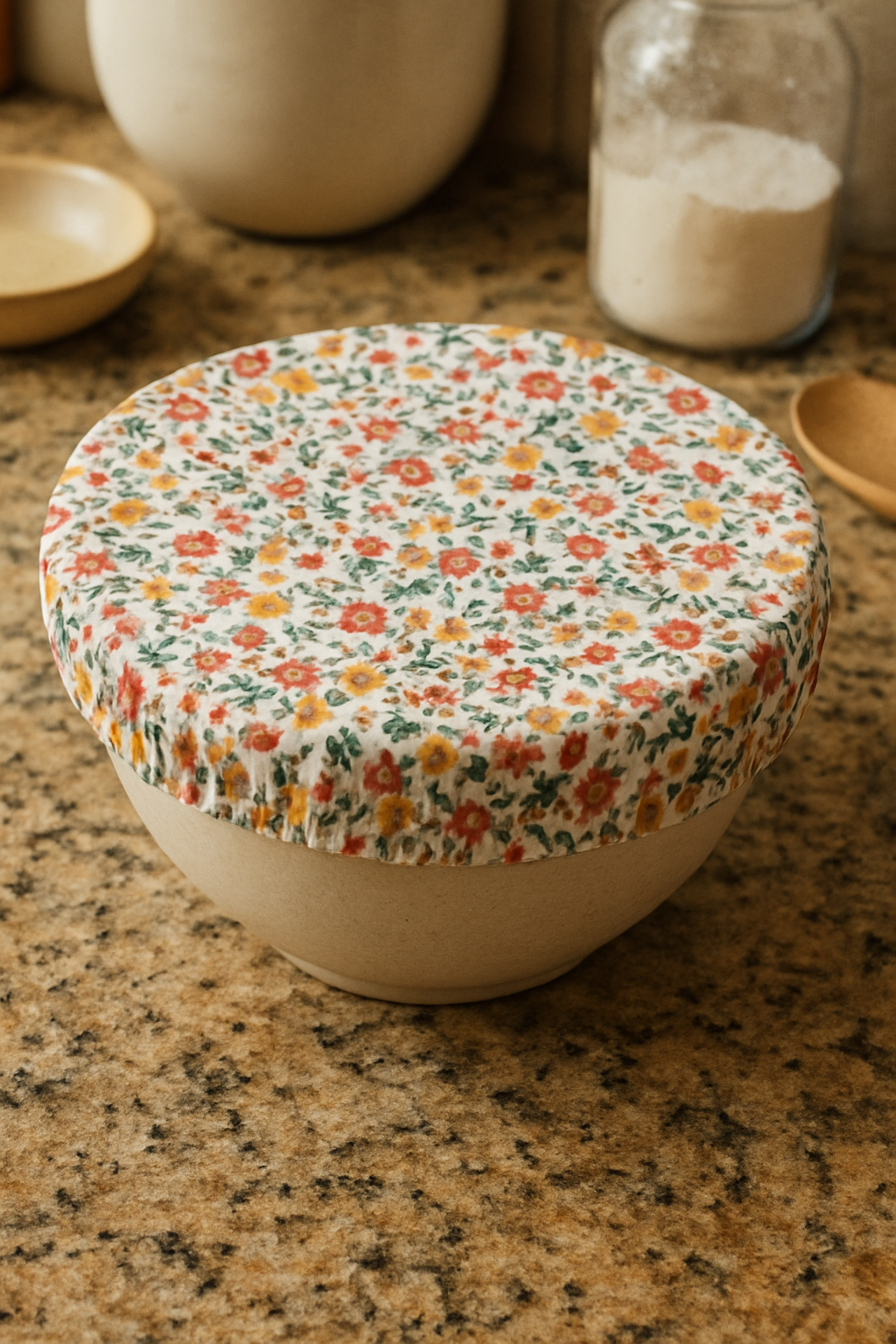
There's something deeply satisfying about using a tool crafted by human hands. In the kitchen, where we nourish our families and create memories, handmade accessories bring warmth, character, and a connection to traditional craftsmanship that mass-produced items simply cannot match.
The Renaissance of Handcraft
As consumers become more conscious of sustainability and quality, there's been a remarkable revival in appreciation for handmade goods. This isn't nostalgia—it's a recognition that handcrafted items often offer superior functionality, durability, and beauty.
Why Handmade Matters:
- Unique Character: Each piece has individual personality and charm
- Superior Quality: Artisans take pride in every detail
- Sustainable Practices: Small-batch production with minimal waste
- Supporting Communities: Direct support for local artisans and craftspeople
- Lasting Value: Built to last generations, not seasons
Materials That Tell a Story
Handmade kitchen accessories often feature natural materials chosen for both function and beauty. Each material has its own story and benefits:
Wood: The Living Material
Hardwoods like maple, walnut, and cherry age beautifully with use. Each piece of wood has unique grain patterns, making every item one-of-a-kind. Wooden accessories also possess natural antimicrobial properties and improve with age when properly cared for.
Organic Cotton and Linen
Natural fibers breathe and develop character over time. Unlike synthetic materials, they're biodegradable and often become softer and more beautiful with use. These materials are perfect for food storage solutions where breathability is essential.
Beeswax: Nature's Preservative
Beeswax has been used for food preservation for millennia. Its natural antimicrobial properties, combined with its ability to create a breathable barrier, make it ideal for modern food storage needs.
"When I use my handmade bread knife, I feel connected to generations of bakers who understood that good tools make good food. There's soul in handcrafted items that machines can't replicate."— Elena Chen, Artisan Baker
The Craftsmanship Process
Understanding how handmade accessories are created deepens appreciation for their value. Take our beeswax bread bags, for example:
Design & Planning
Every piece begins with thoughtful design, considering both function and aesthetics. Patterns are created and refined through multiple iterations.
Material Selection
Only the finest organic cotton and pure beeswax are chosen. Each material is sourced from trusted suppliers who share our commitment to quality.
Hand Construction
Each bag is individually cut, sewn, and finished by hand. This attention ensures perfect seams and consistent quality.
Quality Testing
Every finished piece is tested for functionality and durability before leaving our workshop.
The Economics of Quality
While handmade accessories may cost more upfront, they represent exceptional value over time. A well-made beeswax bread bag can replace hundreds of plastic bags over its lifetime, paying for itself while reducing environmental impact.
Cost Analysis: Handmade vs. Mass-Produced
Plastic Storage Bags (Annual):
- • Initial cost: $50-75
- • Replacement: Ongoing
- • Lifespan: Single use
- • Environmental impact: High
Handmade Beeswax Bags:
- • Initial cost: $80-120
- • Replacement: 3-5 years
- • Lifespan: 1000+ uses
- • Environmental impact: Minimal
Caring for Handmade Treasures
Proper care ensures your handmade accessories will serve you for years, often decades. Here's how to maintain different types of handcrafted kitchen items:
Wooden Accessories:
Hand wash with mild soap, dry immediately, oil monthly with food-safe mineral oil or beeswax
Fabric Storage Items:
Gentle hand wash in cool water, air dry completely, refresh beeswax coating annually
Metal Tools:
Hand wash and dry immediately, prevent rust with light oil coating, sharpen as needed
The Artisan's Perspective
Behind every handmade accessory is a craftsperson who has chosen to pursue excellence over efficiency. These artisans often come from generations of makers or have discovered their calling after leaving corporate careers in search of more meaningful work.
They understand that in a world of disposable goods, creating items meant to last is both an art and a responsibility. Each piece they make carries their signature, their pride, and their commitment to quality.
Building Your Collection
Starting a collection of handmade kitchen accessories is a journey best taken gradually. Begin with items you use daily—perhaps a beautiful cutting board or versatile storage bags—and build from there.
Essential Handmade Kitchen Accessories:
- Quality cutting board in hardwood
- Beeswax food storage wraps and bags
- Hand-forged knife or two
- Wooden spoons and utensils
- Ceramic or wooden bowls
- Natural fiber dish towels
- Handwoven baskets for storage
The Future of Handcraft
As we become more aware of our environmental impact and the true cost of cheap goods, handmade accessories represent not just a return to quality, but a step toward a more sustainable future. Each purchase supports small businesses, preserves traditional skills, and reduces the demand for mass-produced items.
In choosing handmade, we're not just buying kitchen accessories—we're investing in a philosophy that values quality over quantity, sustainability over convenience, and human connection over corporate efficiency.
The Joy of Using Beautiful Things
Perhaps the greatest benefit of handmade kitchen accessories is the simple pleasure they bring to daily tasks. There's joy in using beautiful, well-made tools. They transform routine activities into moments of appreciation for craftsmanship and the hands that created them.
When you use a handmade bread bag to store your homemade loaf, you're participating in a tradition that spans centuries—the human desire to create, preserve, and share good food with those we love.
Discover Handcrafted Quality
Experience the difference that artisan craftsmanship makes in your daily kitchen routines.