Plastic-Free Kitchen Swaps for Home Bakers
Simple, practical swaps that help you bake sustainably while reducing plastic waste in your kitchen.
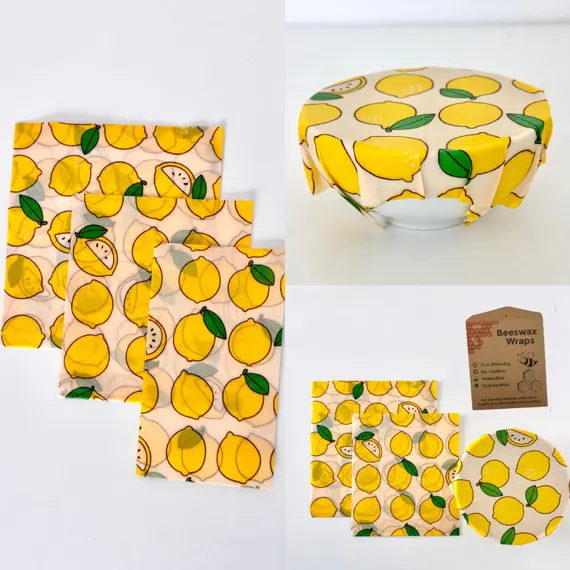
As home bakers, we create so much joy with our sourdough starters and fresh loaves. But the plastic waste that comes with modern baking—plastic wrap, storage bags, disposable containers— doesn't spark quite the same feeling.
The good news? Going plastic-free in your baking routine is easier than you think. These simple swaps will help you reduce waste without sacrificing convenience or quality.
Why Plastic-Free Matters for Bakers
Home baking already connects us to traditional, slower ways of creating food. Removing plastic from the process feels natural—and it comes with real benefits:
- Better bread storage (moisture regulation vs. condensation)
- Healthier kitchen (no microplastics in food)
- Cost savings over time (reusable vs. single-use)
- Less waste going to landfills
Essential Plastic-Free Baking Swaps
1. Plastic Bread Bags → Beeswax Bread Bags
❌ The Problem:
Plastic bags trap moisture, making crusts soggy. They promote mold growth and create single-use waste. Plus, they leach chemicals when storing warm bread.
✅ The Swap:
Beeswax-lined bread bags allow proper air circulation while preventing bread from drying out. They're reusable for years, naturally antimicrobial, and keep bread fresh for 5-7 days.
Impact: One beeswax bag replaces 100+ plastic bags per year
2. Plastic Wrap → Beeswax Wraps or Bowl Covers
❌ The Problem:
Plastic wrap for covering rising dough or storing ingredients is wasteful and doesn't create an airtight seal. It often tears or sticks to itself.
✅ The Swap:
Beeswax wraps mold to bowls with the warmth of your hands. For proofing dough, use a damp kitchen towel or reusable bowl cover. Both options are washable and reusable.
Impact: Eliminates hundreds of feet of plastic wrap annually
3. Plastic Measuring Cups → Glass or Stainless Steel
❌ The Problem:
Plastic measuring cups absorb odors, stain easily, and degrade with use. They can warp in the dishwasher and aren't as accurate over time.
✅ The Swap:
Glass measuring cups are durable, heat-safe, and easy to clean. Stainless steel measuring spoons and cups last decades without degrading. Both give more precise measurements.
Bonus: Can be used for hot liquids and won't harbor bacteria
4. Plastic Storage Containers → Glass Jars
❌ The Problem:
Plastic containers for flour, sugar, and other ingredients can leach chemicals and retain odors. They often crack or become cloudy.
✅ The Swap:
Large glass jars keep ingredients fresh without chemical concerns. Mason jars work perfectly for sourdough starters, active yeast, and smaller quantities. They're airtight and transparent.
Tip: Save pasta sauce jars—they're perfect for baking ingredients
5. Parchment Paper → Reusable Baking Mats
❌ The Problem:
While better than plastic, parchment paper is still single-use. It adds up quickly when you bake regularly.
✅ The Swap:
Silicone baking mats last for thousands of uses. They're non-stick, heat-safe up to 480°F, and eliminate the need for oils or sprays. Clean with soap and water.
Alternative: Well-seasoned cast iron or naturally non-stick ceramic bakeware
6. Disposable Piping Bags → Reusable Cloth Bags
❌ The Problem:
Disposable piping bags create waste with every use and can't handle hot fillings. They're flimsy and often tear.
✅ The Swap:
Canvas or silicone reusable piping bags are stronger, washable, and work with any piping tip. They pay for themselves after just a few uses.
Note: Turn inside-out to wash thoroughly between uses
Additional Sustainable Baking Swaps
- Paper towels → Unpaper towels or flour sack towels
Use washable cloth towels for everything from drying dishes to covering proofing dough
- Plastic cutting boards → Wood or bamboo
Better for your knives, naturally antimicrobial, and completely biodegradable
- Plastic bench scrapers → Stainless steel
More durable, easier to clean, and lasts a lifetime
- Plastic-packaged flour → Bulk bins or paper bags
Bring your own containers to stores with bulk sections, or choose paper-packaged flour
Making the Transition
You don't need to replace everything at once. Here's a practical approach:
Month 1: Bread Storage
Start with beeswax bread bags—the swap with the biggest immediate impact. You'll notice better bread freshness right away.
Month 2: Proofing & Covering
Replace plastic wrap with beeswax wraps and bowl covers. Use kitchen towels for dough proofing.
Month 3: Storage Containers
Gradually replace plastic storage with glass jars as you use up current supplies. Start saving glass jars from purchased goods.
Month 4+: Tools & Equipment
Replace plastic tools only as they wear out. Prioritize items you use most frequently.
The Cost Question
Yes, reusable alternatives have higher upfront costs. But here's the math:
Beeswax Bread Bag Example:
- • One beeswax bag: $15-25
- • Lasts: 2-3 years (or longer with care)
- • Replaces: 100+ plastic bags/year
- • Savings over 3 years: $30-50 (plus environmental impact)
Most sustainable swaps pay for themselves within a year while significantly reducing waste.
Small Changes, Big Impact
"I started with just beeswax bread bags and cloth bowl covers. A year later, my baking routine is nearly plastic-free, and I haven't noticed any inconvenience—just better bread and less waste."
The beauty of these swaps is that they often improve your baking results while reducing waste. Beeswax bags keep bread fresher. Glass jars keep ingredients better organized. Silicone mats bake more evenly.
Your Plastic-Free Baking Checklist
Start Here (Highest Impact):
- ☐ Beeswax bread bags for storage
- ☐ Glass jars for ingredients
- ☐ Beeswax wraps or bowl covers
- ☐ Silicone baking mats
Next Steps:
- ☐ Stainless steel measuring cups
- ☐ Wooden or bamboo cutting boards
- ☐ Reusable piping bags
- ☐ Cloth kitchen towels
Advanced:
- ☐ Bulk flour purchases (bring containers)
- ☐ Compostable dish brushes
- ☐ Natural cleaning products in reusable bottles
The Ripple Effect
When you bake plastic-free, you're not just reducing your own waste. You're showing friends and family that sustainable baking is possible and practical. You're supporting companies that prioritize the environment. And you're creating healthier habits that often extend to other areas of your kitchen and life.
Start with one swap. See how it feels. Then keep going. Before you know it, your baking routine will be producing amazing bread and zero plastic waste.
Start Your Plastic-Free Baking Journey
Our beeswax bread bags are the perfect first step toward a more sustainable baking routine.